May 7, 2026
Bringing Retail Media Networks to Physical Retail
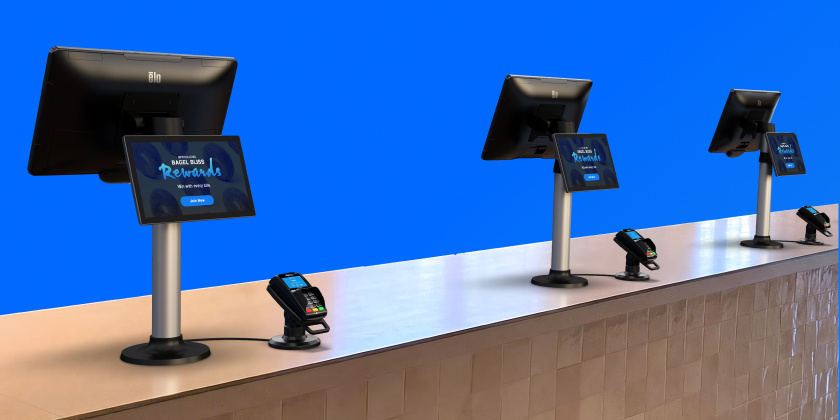
Brands are enthusiastic about using retail media networks (RMN) to reach their audiences. Ecommerce brands and retailers capture astronomical amounts of traffic each month. SEMRush reports that Amazon's ecommerce site gets 2.01 billion visits per month, and Walmart sees about 400-500 million visitors per month. While that traffic is good news for those enterprises and their third-party partners who sell there, it also represents an opportunity for advertising partners to get in front of an audience that's ready to buy via a retail media network. However, the opportunity isn't only advertising on retail media online. RMN are increasingly expanding to enable advertising in physical stores.
What Is a Retail Media Network?
According to Gartner, a retail media network is a packaged retail website search, display, app, in-store assets and other digital advertising opportunities (e.g., ad impressions) that are sold to brands and advertisers. Retailers leverage media networks to execute their unified retail commerce strategy and to develop new lines of revenue, while advertisers aim to increase their exposure to and influence the behavior of retail shoppers at or near the final point of purchase.
What Are the Benefits of Retail Media Networks for Advertisers?
Advertisers have evaluated RMN and have found three compelling reasons to use them to reach their audiences:
- Higher Advertising ROI: because customers see relevant, contextual ads rather than a generic ad that the entire audience sees, a company's ad budget is better spent. In addition, the retail media network can collect and analyze data on campaign effectiveness so that the advertiser can make data-based decisions to optimize its performance.
- The Power to Influence Behavior: well-timed ads at critical milestones in the shopping journey can influence purchases or convince the shopper to take advantage of an upsell or cross-sell offer.
- Offers at the Point of Purchase: point-of-sale (POS) displays have always been an effective tactic for increasing the average ticket. Ads on a retail media display close to the point of sale can digitize this process and increase "impulse" buys without any intervention from sales associates or cashiers.
What Are the Benefits of Retail Media Networks to Retailers?
In addition to a competitive edge for advertisers, retail media networks also have advantages for the retailers who offer them. Most apparently, it helps retailers build a new revenue stream from advertising, more than offsetting the cost of the network's infrastructure and total cost of ownership.
However, retail media networks can also help brands use their data to increase revenue. Because the network integrates with the retailer's management system, the retailer can perform closed-loop measurements, linking ad impressions to actual sales, showing how valuable advertising on the network can be.
Learning from the retail media network can also help retailers optimize the shopping journey. Retailers can gain a better understanding of their customers' behaviors by taking both digital and physical activity into account. This intelligence can help retailers enhance shopping experiences and even place advertisers' merchandise more strategically to increase conversions, benefitting their advertisers and their own businesses.
Where Retail Media Networks Deliver the Greatest Return Inside the Store
In-store RMN solutions are most beneficial in high-traffic areas where stores display consumer packaged goods (CPG) in particular. Retail media advertising is also effective when it displays complementary products to what's on the shelf. Some of the best sites for retail media network advertising are:
- Grocery stores
- Pharmacies
- Electronics stores
- Home improvement stores
Quad, a marketing services provider, points out that CPG marketers are "thrilled to be able to fish where fish are biting."
How to Make In-store Retail Media Advertising Work
Retailers need the right hardware, software, and infrastructure to create an effective in-store retail media network system. Essential components include:
- The Perfect Touchscreen: retailers need to display advertisers' content on a high-resolution screen that's the right size and orientation. If customers have the option to interact with the content, the screen must also provide a natural, responsive touchscreen experience.
- Experience-Enhancing Peripherals: retailers can create an immersive experience with peripherals, such as a near-field communication (NFC) reader that can communicate with the customer's smartphone to share data or even coupons or discounts. A magstripe reader or fingerprint scanner can give the system the ability to identify the customer and, with their permission, personalize the experience.
- AI-Powered Analytics: artificial intelligence (AI) has the ability to quickly analyze data and deliver relevant content to each customer.
- Optimized Infrastructure: retailers need computing power, both in the cloud and at the edge, a reliable network, and a solid device management strategy to consistently deliver their advertising partners' messaging.
The Future of Retail Media Networks
Gartner reports that in 2025, 30.6% of the total marketing budget across all industries went to paid media, which is an 11% increase on gross media spend as a proportion of company revenue year over year. Media networks have significantly proliferated in the last several years, forcing CMOs to manage a more fragmented media buying process that requires outside help, like agencies or ad-tech measurement solutions.
Partnering with Elo can help you ensure you select, implement, and manage the screens, hardware, and IT infrastructure that bring the right ads to the right people to maximize conversions.
Contact us to learn how to build a retail media network for physical locations, or access the Gartner® Market Guide for Retail Media Networks to dive deeper into the opportunity.
Access the Market Guide
Gartner, Market Guide for Retail Media Networks, by Greg Carlucci, 4 August 2025
GARTNER is a trademark of Gartner, Inc. and/or its affiliates.