June 4, 2026
Agentic AI: Moving from Concept to Execution
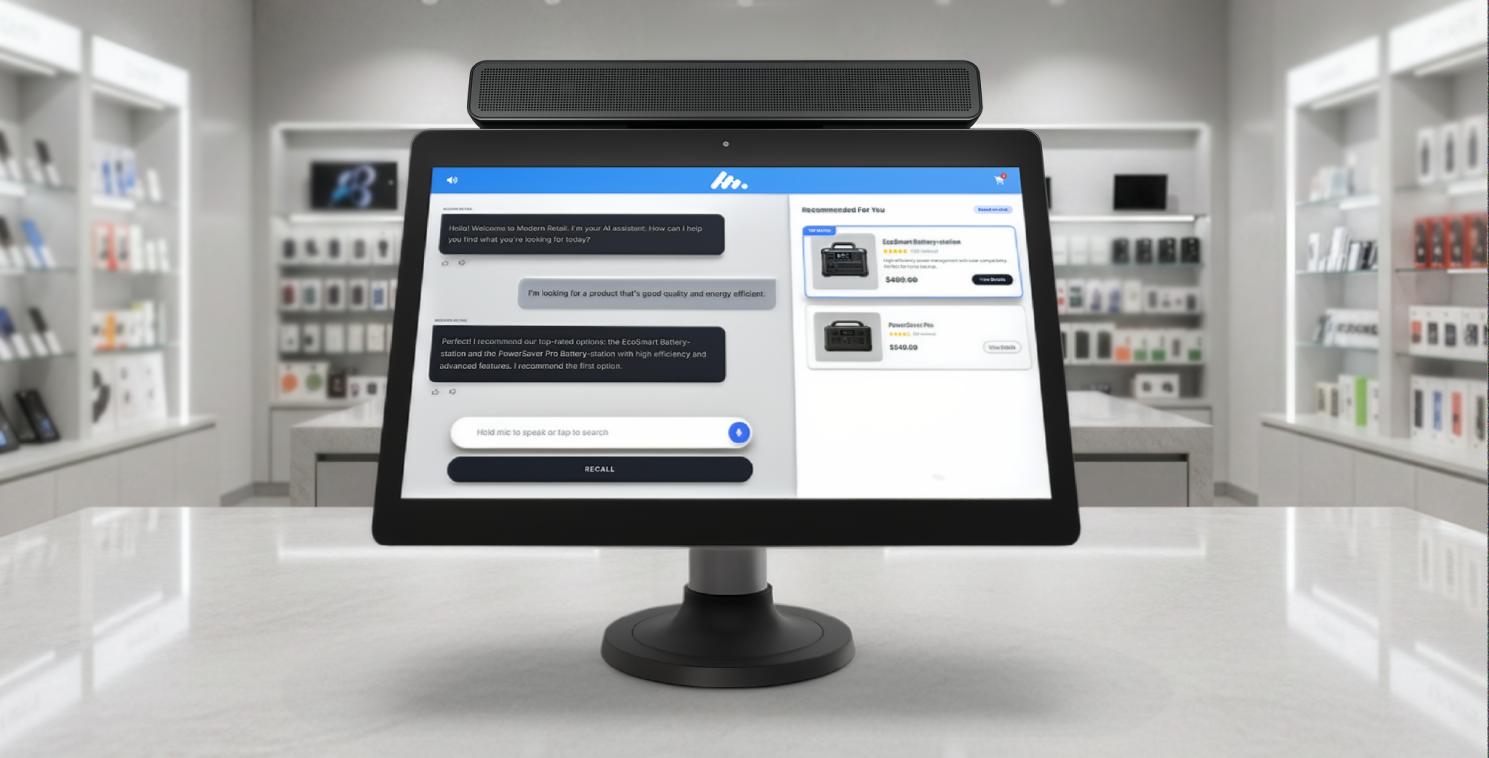
Agentic AI is rapidly shifting from theory to real-world execution. Over the next two years, adoption is expected to accelerate as organizations move beyond passive, generative AI that waits for prompts to produce an output experimentation and to begin deploying exploring the value of deploying agentic systems that plan, reason, and take action on their own. s into their operations.
While generative AI adoption, which reached 95% of companies in 2025, according to Bain & Company[BW1.1], continues to grow, many organizations appear ready to take AI to the next level. According to research from Deloitte, the percentage of companies using agentic AI is projected to rise dramatically from 23% to 74% by 2028. While 42% of these companies have a strategy for AI adoption, however, they still lack the infrastructure, data readiness, and skilled employees to support these systems at scale.
This gap highlights a turning point. The next phase of AI is not defined by smarter models alone, but by systems designed to take action, whether listening, deciding, or completing tasks with minimal supervision. Organizations that can connect agentic intelligence to the environments where real work happens will be best positioned to realize its value.
Agentic AI, Defined
Agentic AI refers to systems that can accomplish specific goals, acting on behalf of retailers or restaurant operators and their customers. Agentic AI can perform complex tasks to reach a goal without human intervention. In commerce, for example, agentic AI can take orders, initiate fulfillment, notify customers of progress, automatically bill and app, and issue an e-receipt. Furthermore, agents learn from their environments and make decisions to keep a task on track, like adapting to disruptions or informing the customer of a suggested substitution if a product is out of stock.
What's Different About an AI Agent
The distinction between traditional AI assistants and an AI agent is critical. Conventional AI tools primarily respond to text-based prompts. Agentic AI systems, on the other hand, can plan, reason through multi-step workflows, and initiate actions on their own in real-time. They move from passive assistance to active execution.
The advancement from assistants that simply respond to agents that can autonomously execute tasks is especially important in customer-facing and operational environments. In fast-paced settings, decisions must translate immediately into action, whether that means taking orders, managing inventory, adjusting staffing, or resolving customer issues. Agentic AI is designed to operate within these real-world workflows, helping businesses act faster and more consistently at scale.
Where Agentic AI Delivers the Most Value Today
Agentic AI is actively delivering value in a wide range of industries and use cases, including the following:
-
Hospitality, Restaurant, and Service Operations
Agentic systems in these industries are being leveraged to manage reservations, optimize staffing, streamline check-in processes, and deliver concierge-style assistance. In restaurants specifically, agentic AI increasingly supports ordering confirmation and payment workflows. -
Retail and Ecommerce
Agentic AI in retail and ecommerce supports guided product discovery, hyperpersonalized promotions, dynamic pricing, and automated responses to supply chain disruptions. These systems do more than predict outcomes; they initiate operational changes. -
Healthcare and Regulated Environments
Agentic AI supports automated workflows that accelerate therapeutic development, streamline clinical trial operations, and improve the analysis of insurance claims and denials. AI agents can also function as virtual health assistants, providing real-time monitoring and reminders that enhance operational efficiency while supporting patient engagement.
The Operational Foundations of Successful Agentic AI
Successful use cases for agentic AI implementations share four characteristics:
- A high-volume of interactions: Processes that involve frequent interactions or require continual decision-making create natural opportunities for automation to deliver measurable efficiency gains and scale performance.
- Structured processes: When operational workflows are clearly defined and repeatable, agentic AI can move beyond assistance and take responsibility for execution. Standardization allows agents to operate reliably within established processes rather than introducing variability.
- Reliable, real-time data: Access to high-quality, real-time data enables agentic systems to act with confidence and continuously improve as new information is captured and analyzed.
- Consistency, compliance, or auditability: Industries that gain benefits from agentic AI often must comply with strict standards and enable traceability. Agentic systems reinforce consistency, reduce variability, and generate auditable records of decisions and actions.
Agentic AI delivers the greatest ROI when it is embedded directly into daily operations rather than layered on top as an isolated tool. Agentic AI becomes valuable when it is tightly integrated with the hardware and software solutions and interfaces that employees and customers already use.
What It Takes to Make Agentic AI Work in the Real World
Turning agentic AI from concept into dependable, day-to-day execution requires more than a powerful large language model (LLM). To operate reliably in real environments, these systems must run on infrastructure designed to support:
- Low-latency response times
- Reliable access to operational data
- Secure environments for transactions and interactions
- Consistent performance at scale
Edge computing plays a central role in meeting these requirements. Processing data closer to where interactions occur delivers faster response times and reduces dependence on costly cloud resources alone. Data can remain on-site, improving reliability and supporting privacy and security requirements for highly regulated environments.
Most importantly, agentic AI needs a physical interface to interact with people where work and transactions actually happen. In many use cases, the optimal interface is a commercial-grade touchscreens or an AiO system positioned at the center of customer engagement.
Moving from Agentic AI to Agentic Experiences
Agentic experiences emerge when intelligence is seamlessly combined with human interaction, transforming agentic AI from a back-end capability into a front-end experience customers can see and feel.
Consumers increasingly expect systems that can listen and respond naturally, guide them through decisions, and allow actions to be completed immediately. This is where touch and voice together create a natural path from intent to completion. A hotel guest might begin by speaking an order or request, then confirm selections and finalize payment through touch. The transition between them all should feel seamless.
For consumer-facing businesses, these experiences reduce friction for their customers while increasing engagement. For developers, they represent a new class of solutions that blend AI capabilities with thoughtfully designed ecosystems without lock-in with a single vendor or workflow.
How Elo Enables Agentic Experiences at the Edge
Delivering agentic experiences in real-world environments requires hardware built for continuous, consistent performance and flexible integration. Elo provides the commercial-grade hardware foundation that enables successful agentic AI deployments.
Elo touchscreens act as the primary interaction surface, offering durability and consistency across a wide range of deployment options, from self-service kiosks to drive-thru terminals. Voice-enabled peripherals, like the AI Connect Bar, extend interaction beyond the screen, allowing users to initiate tasks through speech and then transition seamlessly to touch to complete the transaction.
Equally important, Elo hardware supports an open ecosystem of software and payment providers. This flexibility allows organizations to select the agentic applications that align with their operational goals while maintaining the technology solutions that best fit their needs.
Preparing for What's Next with Agentic AI
Agentic AI will continue to evolve, but the need for reliable, adaptable infrastructure will remain constant. Organizations that invest in flexible hardware today are better positioned to compete today and adopt emerging capabilities tomorrow.
Hardware that supports touch, voice, and edge performance become long-term assets rather than operational constraints. They allow businesses to layer new agentic applications onto a stable foundation instead of replacing infrastructure with each innovation cycle.
For solution builders, this forward-thinking approach strengthens customer relationships. By guiding clients toward infrastructure that supports future growth, you help them navigate technological change with confidence.
Agentic AI is not a distant concept. It is reshaping how businesses execute everyday tasks and how customers interact with technology. The organizations that succeed will be those that connect intelligent systems with dependable, real-world interfaces, turning potential into performance.